
Introduction
The way we brew coffee at home has changed dramatically over the past fifteen years. What was once dominated by drip machines and pour-over methods has expanded to include various brewing technologies designed to meet different lifestyles and preferences. Single-serve pod-based systems have become particularly popular among people with specific circumstances—students in dorms, professionals working from home, travelers, or anyone living in a space where full-size appliances simply don’t fit.
The appeal is straightforward: minimal setup, quick brewing, and virtually no cleanup. But not everyone needs a full-sized machine, and that’s where compact single-serve brewers enter the conversation. Understanding how these machines work, what they offer, and whether they’re right for your situation requires looking beyond marketing claims and examining practical functionality.
This guide explores single-serve K-Cup brewing, particularly focusing on compact models designed for small spaces, and examines what you should know before deciding if this approach to coffee preparation fits your daily routine.
Understanding Single-Serve Pod Coffee Systems
Before diving into specific machines, it’s worth understanding the category itself. Single-serve brewing systems work by passing hot water through a pre-packaged pod or capsule containing ground coffee. The water extracts flavor from the grounds and delivers a cup of coffee in minutes, typically without requiring paper filters or the cleanup associated with traditional brewing methods.
The main advantage of this system is speed and consistency. Each pod contains a measured amount of coffee, so variables like grind size and measurement are already handled. A regular coffee drinker might brew a cup in under five minutes from start to finish.
However, this convenience comes with tradeoffs. Pod-based systems generate more waste than other brewing methods, as each use produces a disposable pod. Additionally, the selection available through pods differs from whole-bean options, and some coffee enthusiasts argue that the flavor profile can be limited compared to freshly ground coffee brewed through other methods.
Key Features of Compact Single-Serve Brewers
Compact K-Cup machines typically share several core features, though specific models vary. Here’s what to understand about the essential components:
Brewing Capacity and Cup Size
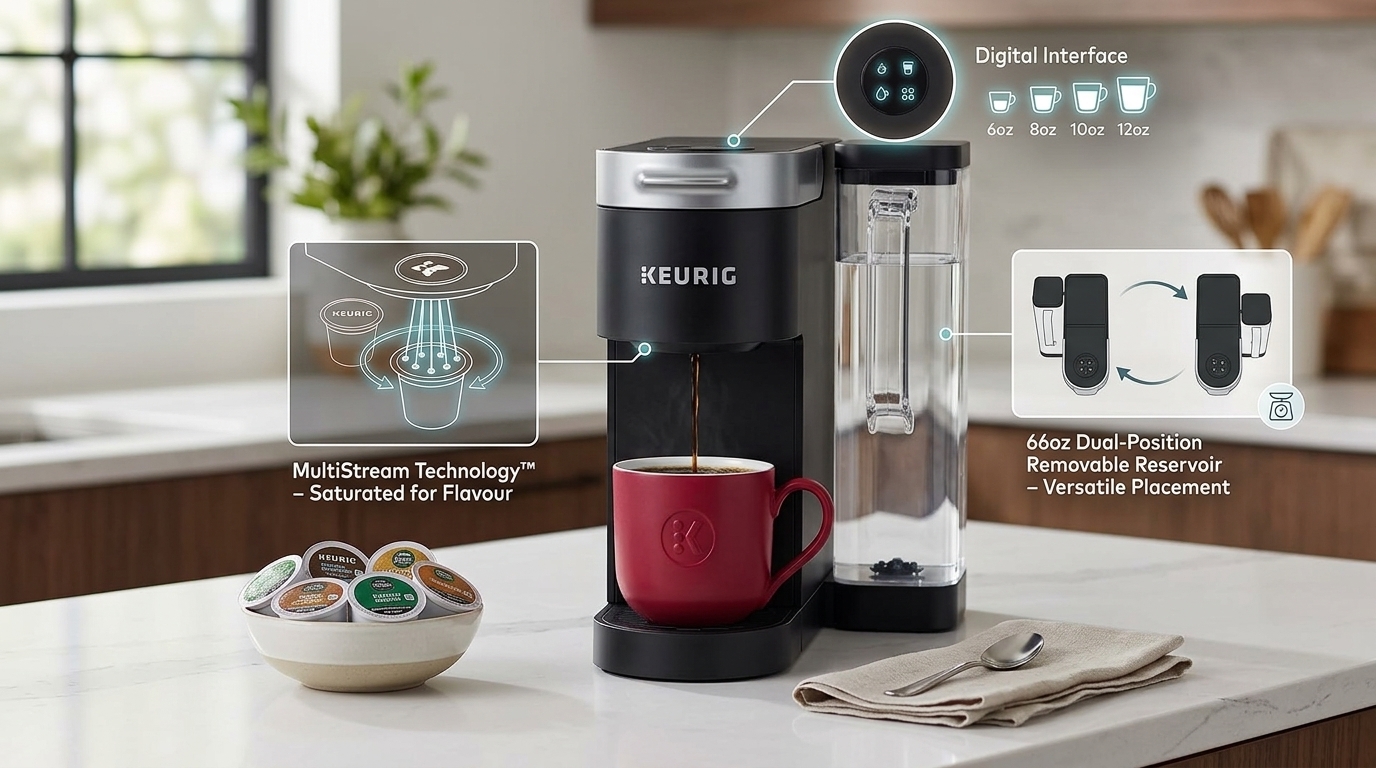
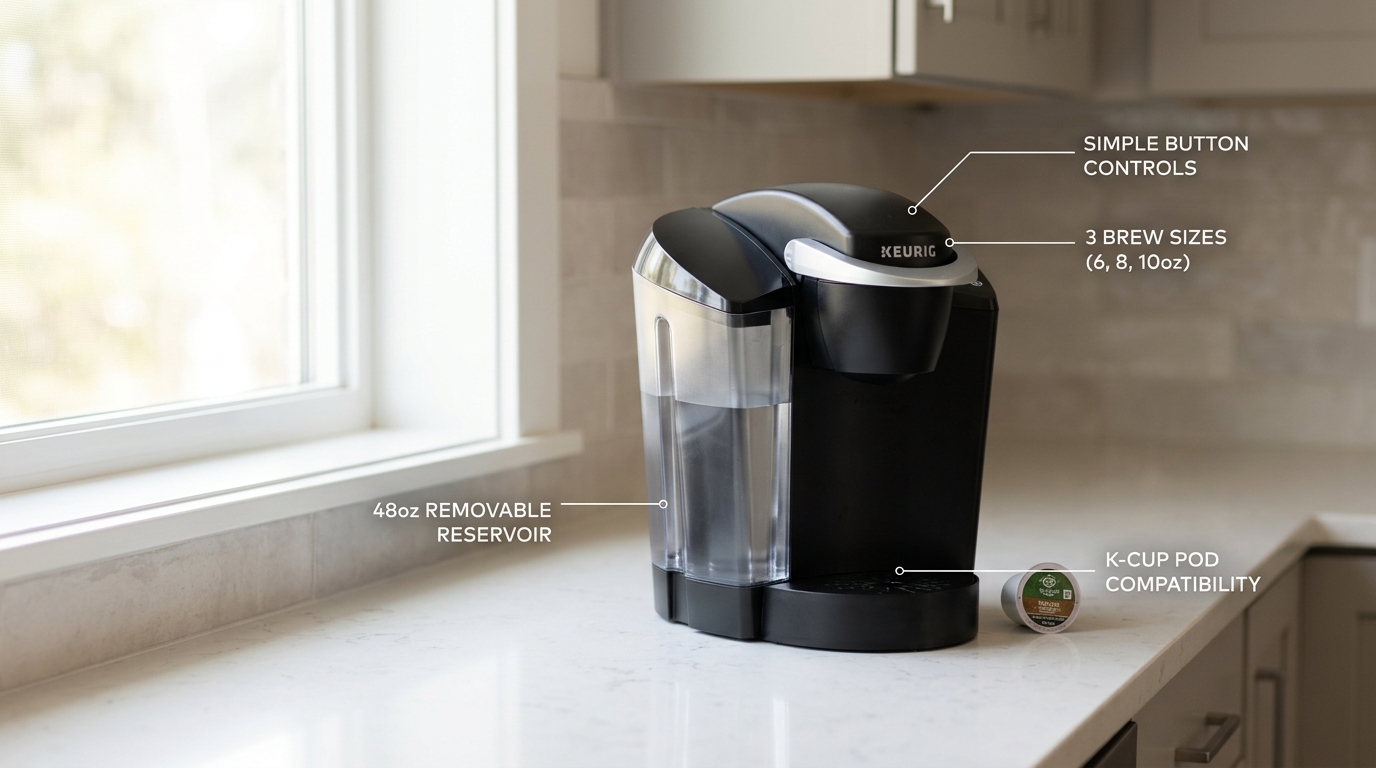
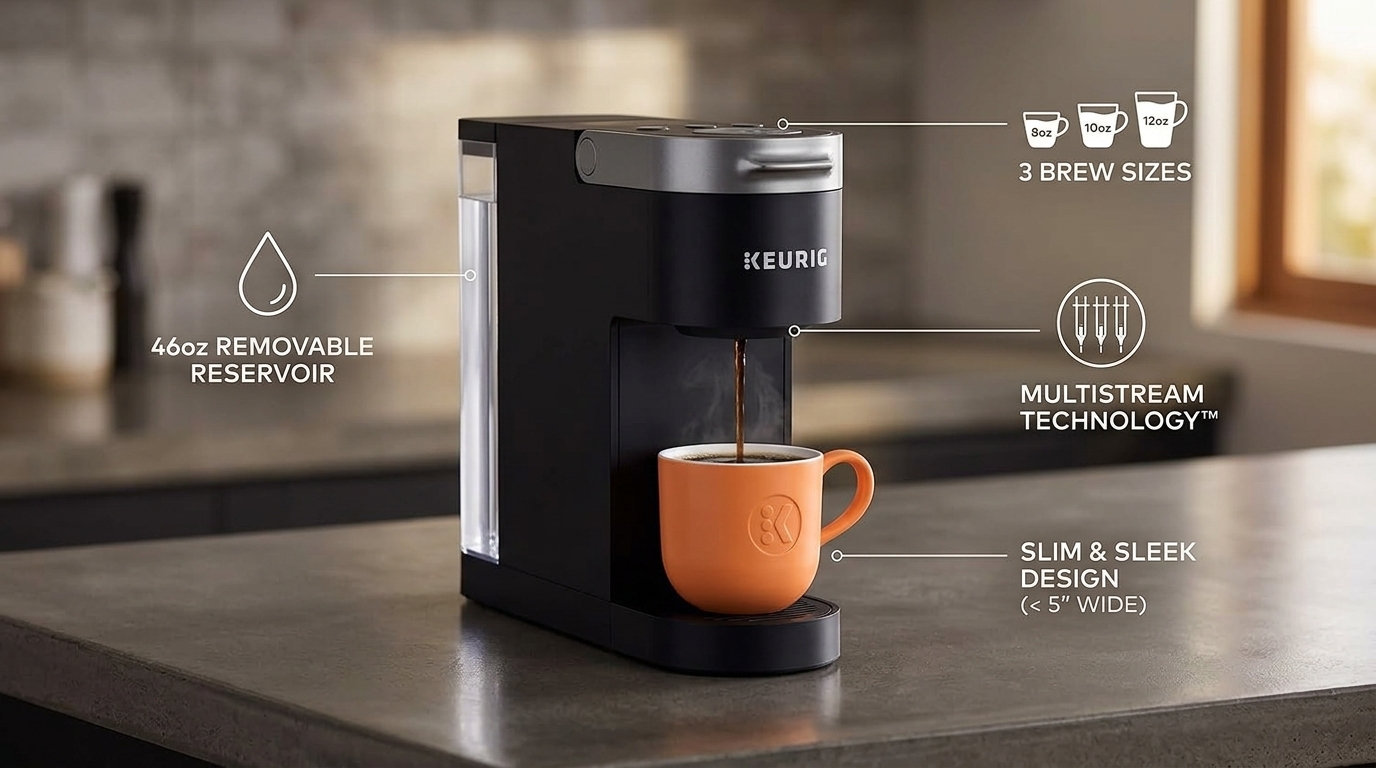
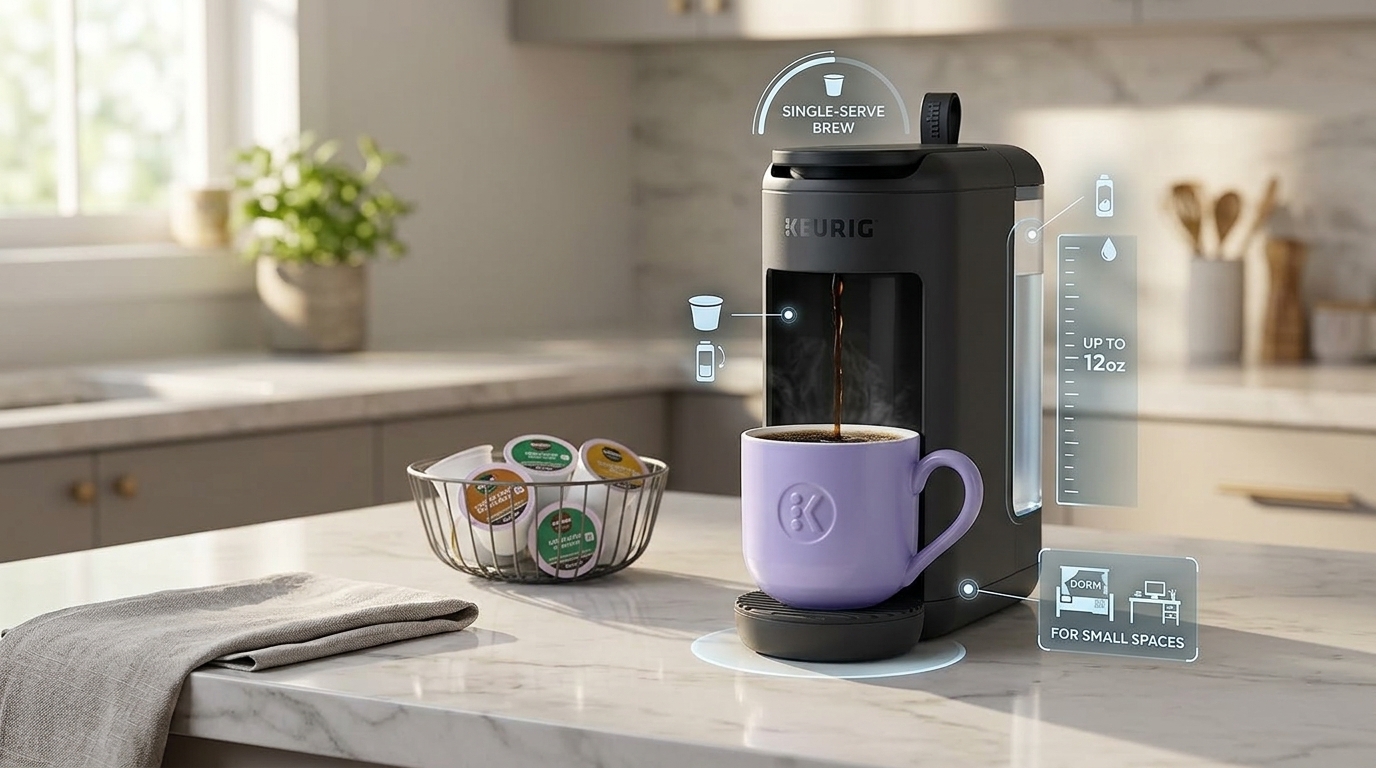
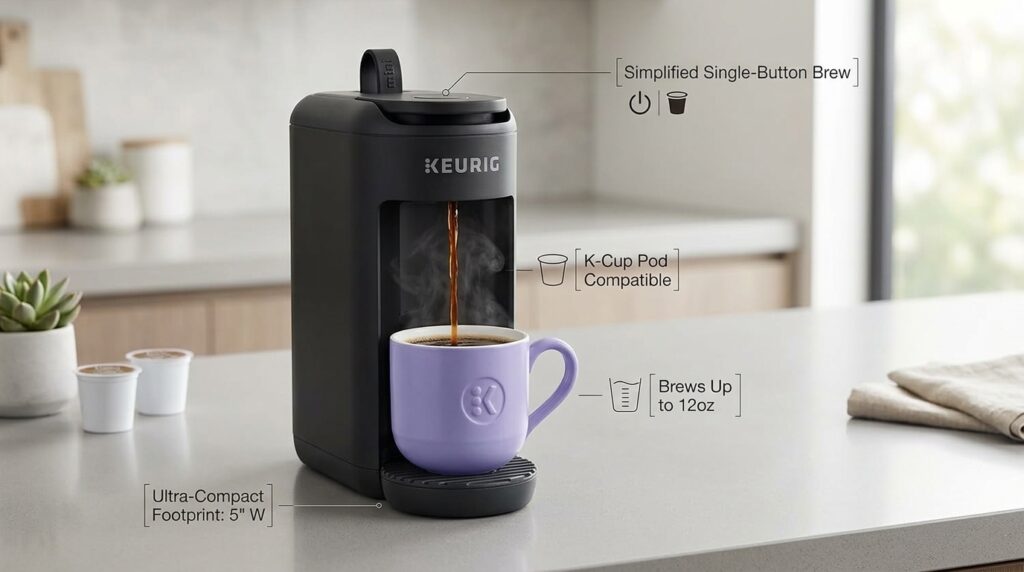
Most compact single-serve brewers are designed to brew cups ranging from 6 to 12 ounces. The 12-ounce capacity sits comfortably between a small cup and a standard mug, making it practical for various situations. Whether you’re filling a personal travel mug or drinking directly from a cup at your desk, this size handles both scenarios reasonably well.
The brewing chamber’s size affects brew time and consistency. Smaller machines typically heat water faster because they’re warming a more limited volume. This means your coffee might be ready in three to four minutes rather than five or six.
Water Temperature Control
For coffee extraction to work properly, water needs to reach specific temperature ranges, typically between 195 and 205 degrees Fahrenheit. Compact machines are engineered to achieve and maintain these temperatures quickly. Unlike larger brewing systems, they don’t need to heat massive water reserves, so they can reach operational temperature almost immediately after being turned on.
Pod Compatibility
K-Cup compatible machines work with pods designed to that specification. The K-Cup system is proprietary to Keurig but licensed to numerous coffee companies, so thousands of different coffee varieties and brands are available in this format. This variety is one of the system’s primary attractions—you’re not limited to a single brand’s offerings.
Drainage and Water Reservoir
Even compact machines need to hold water, and they require some way to dispose of used pods. Most models feature small removable water reservoirs that you fill directly with water, eliminating the need for plumbing connections. Used pods typically drop into a small disposal basket that you empty periodically.
Heat-Up Time
One practical advantage of compact models is their speed. A full-sized coffee maker might need five to ten minutes to heat up from a cold start. Compact single-serve machines often reach brewing temperature within 30 seconds to a minute because they’re working with much smaller volumes.
How Compact Single-Serve Brewers Fit Into Different Living Situations
The practical applications for compact brewing machines extend beyond simply making coffee. Understanding where these machines genuinely solve problems helps clarify whether one might work in your context.
Dorm Room Scenarios
College students living in dormitories face unique constraints. Space is limited, roommates may have different schedules, and reliability matters when you need to study late into the night. A compact brewer takes up roughly the same footprint as a toaster and doesn’t require complicated setup. There’s no need to brew an entire pot if only you want coffee at 2 a.m., and you’re not disturbing anyone with extended brewing time.
The downside is that campus housing sometimes has restrictions on electrical appliances, so checking with your residential life office is important before bringing any brewing equipment.
Professional Home Office Environments
Remote workers often set up small coffee stations at home. A compact brewer works well on a desk or small table beside your workspace. During meetings, you can quickly prepare a cup without leaving your work area. The quiet operation doesn’t disturb video calls, and the minimal footprint means it doesn’t dominate a small workspace.
Travel and Temporary Situations
If you frequently travel for work or stay in temporary accommodations, a lightweight, compact brewer offers consistent coffee access. Many models are portable enough to pack into luggage or transport easily between locations.
Shared Living Spaces
Apartment dwellers with roommates benefit from single-serve brewing because everyone can make their preferred coffee without coordinating around a shared pot. Morning routines that might clash with a traditional coffee maker become independent activities.
Office Breakrooms and Small Workspaces
Some small offices use compact brewers as supplements to or replacements for larger coffee station equipment. They work well in spaces where a full brewing setup seems excessive.
Features You’ll Encounter on Compact Models
Different compact brewers emphasize different capabilities. Here are features worth understanding:
Water Level Indicators
Most machines include a simple visual indicator showing how much water is in the reservoir. This prevents the unpleasant experience of starting a brew cycle only to realize there’s no water.
Adjustable Brew Settings
Some models let you choose between different cup sizes, which affects how much water is used and how long the brew cycle runs. This flexibility helps accommodate everything from a small espresso-style shot to a full 12-ounce cup.
Auto-Shut-Off Functions
Energy-conscious users appreciate machines that turn themselves off after a set period. This prevents accidentally leaving the machine running all day and reduces power consumption.
Removable Components
The ability to remove and clean the water reservoir, brew basket, and drip tray makes maintenance more convenient. Machines where these parts are permanently attached can be more difficult to keep clean over time.
Compact Footprint Specifications
While all compact models are small by definition, dimensions vary. A machine measuring 5 inches by 9 inches takes up notably less space than one measuring 6 inches by 12 inches. If you’re working with very limited counter space, the exact measurements matter.
Practical Usage Considerations
Understanding how to use these machines effectively goes beyond just understanding their features.
Pod Selection and Variety
The K-Cup ecosystem includes hundreds of coffee options. You’ll find different roast levels, flavors, coffee-based beverages, tea, hot chocolate, and more. Some people enjoy this variety; others find the selection overwhelming at first. Most coffee drinkers settle into a handful of preferred pods they purchase regularly.
One consideration is that not all coffee companies produce pods. If you have a preferred coffee brand that doesn’t make K-Cups, a pod-based system won’t work for you. Some enthusiasts buy reusable K-Cup filters and fill them with ground coffee from their favorite roaster, though this approach requires more effort than using pre-packaged pods.
Water Quality and Maintenance
The quality of water you use affects both the taste of your coffee and the machine’s longevity. Hard water (water with high mineral content) can cause mineral buildup inside the machine over time, reducing efficiency and potentially affecting flavor. Keeping the machine clean by running descaling solutions periodically extends its lifespan.
Most manufacturers provide descaling instructions in their user manuals, and dedicated descaling solutions are available from various suppliers. This maintenance isn’t complicated but does require occasional attention.
Brew Time Reality
While these machines are fast, actual experience rarely matches the absolute minimum brewing times. From the moment you add water to when you’re holding a full cup typically takes five to seven minutes once you account for turning on the machine, inserting a pod, positioning your cup, and waiting for the entire brew cycle.
Pod Disposal
Each use generates a used pod that needs disposal. If environmental impact concerns you, this is worth considering. Some pods are recyclable through specific programs, and reusable filter options exist, but neither approach requires zero effort. Regular users generate dozens of pods weekly, which accumulates to thousands yearly.
Who These Machines Serve Well
Certain situations genuinely benefit from compact single-serve brewing. Understanding who gets the most practical value from these machines helps clarify whether one fits your circumstances.
Students and young professionals in their first independent living situations often benefit from the simplicity and minimal space requirements. The learning curve is essentially zero, and there’s virtually no cleanup beyond removing a used pod.
People with limited counter space who can’t accommodate traditional coffee makers find compact models solve a real problem. They take up less room than a toaster and deliver better coffee than most instant options.
Individuals with inconsistent coffee-drinking schedules appreciate the ability to brew a single cup rather than making an entire pot that might go cold while sitting.
Remote workers often appreciate having a personal brewing setup at their workspace that doesn’t take up much room and operates quietly during work hours.
Frequent travelers may value the portability and familiarity of using the same brewing method across different locations.
Important Considerations Before Purchasing
Not everyone should choose a compact single-serve brewer, and understanding potential drawbacks helps make informed decisions.
Environmental Impact
Single-use pods generate waste. While some pods are recyclable and reusable options exist, neither approach is as low-impact as other brewing methods. If environmental considerations are important to you, this is a genuine factor to weigh.
Cost Per Cup
Pod-based systems typically cost more per cup than traditional coffee makers using loose grounds or beans. Over time, this difference compounds. Someone who drinks two cups daily might spend significantly more annually on pods than they would on coffee grounds for a drip maker.
Quality Expectations
Pod coffee is consistent and convenient, but many experienced coffee enthusiasts argue it doesn’t match the flavor complexity and quality of coffee prepared through other methods using fresh beans. If you’re deeply interested in coffee as a beverage and care about flavor nuances, this limitation matters.
Reliability and Longevity
Compact machines, like all electronic appliances, eventually fail. Some people report machines lasting years with regular use; others experience failures within months. Build quality varies among manufacturers, though predicting any particular unit’s lifespan is impossible.
Water Supply Requirements
You need access to water to use these machines, which is typically not a limitation in homes or offices but might be relevant in certain situations.
Learning Curve for Optimization
While basic operation is simple, getting consistently good results sometimes requires experimentation with water temperature, water level, brew cycle length, and pod selection. People who just want to press a button and get coffee find this straightforward; perfectionists might spend more time troubleshooting than they’d like.
Comparing Brewing Methods: Where Single-Serve Fits
Single-serve pod brewing sits among several other coffee-making approaches. Understanding how this method compares to alternatives helps clarify whether it’s appropriate for your situation.
Traditional Drip Machines
Conventional drip machines typically brew larger volumes and cost less per cup but require more counter space and cleanup. They’re practical if you regularly drink multiple cups or brew for others.
Pour-Over and Manual Methods
Hands-on brewing methods like pour-over, French press, and Turkish coffee offer more control and often produce different flavor profiles than pod systems. They require more involvement and skill but appeal to people who enjoy the brewing process itself.
Espresso Machines
True espresso requires specific equipment and technique. Espresso machines range from inexpensive to extraordinarily expensive, and they demand more involvement than pod systems.
Instant Coffee
Instant coffee is the most convenient and least expensive option but typically offers the lowest quality. It’s practical for camping or situations where any hot coffee is better than none.
Premium Single-Serve Machines
Larger single-serve machines from brands like Nespresso offer more features and potentially better quality than compact models but consume more space.
Understanding Pod Selection
The variety available through K-Cup systems deserves specific attention because it significantly affects the actual experience of owning one of these machines.
Coffee Varieties
Traditional coffee pods come in different roast levels and origins. Light roasts tend toward brighter, more acidic profiles. Medium roasts offer balanced characteristics. Dark roasts provide fuller body and bolder flavor. Finding your preference involves some experimentation.
Flavor Variations
Beyond basic roast levels, many brands offer flavored options like vanilla, caramel, or hazelnut. These appeal to people who enjoy flavored coffee, but quality varies considerably. Some provide subtle flavor enhancement; others taste artificial.
Non-Coffee Beverages
Tea, hot chocolate, and other beverages are available in pod format. This versatility appeals to households with different preferences since everyone can prepare their preferred hot drink without needing multiple machines.
Specialty Options
Some companies produce single-origin pods from specific coffee-growing regions, and premium brands offer specialty options. Exploring different pods becomes a hobby for some users.
Frequently Asked Questions About Compact Single-Serve Brewing
How quickly does a compact machine heat up?
Most reach operational temperature within 30 seconds to a minute after being turned on, depending on the model and how long it’s been since last use.
Can you use any K-Cup compatible pod?
Yes, as long as a pod is designed for the K-Cup system, it should work in any compatible machine. The system is standardized across brands.
How often do you need to clean these machines?
Regular users should run descaling solution through their machines every three to six months. More frequent cleaning of removable parts (reservoir, drip tray) helps prevent mineral buildup.
What if you want to use regular ground coffee instead of pods?
Reusable K-Cup filters are available. You fill them with ground coffee, insert them like a regular pod, and brew. This requires more effort than using pre-packaged pods but eliminates waste and works with any ground coffee.
Are these machines loud?
Compact models are generally quieter than full-sized machines because they use less water and operate for shorter times. They’re typically not loud enough to disturb others in adjacent rooms during normal operation.
How long do these machines typically last?
There’s no definitive answer since lifespan depends on build quality, usage frequency, and maintenance. Some machines work reliably for several years; others fail within months. Regular descaling and proper maintenance can extend lifespan.
Can you travel with a compact brewer?
Yes, many models are portable enough to pack into luggage. You’d need access to water and electricity wherever you go, but the machines are lightweight and compact enough for travel.
What’s the difference between compact and full-size K-Cup machines?
Compact models use less counter space, heat faster, and are more portable. Full-size machines typically have larger water reservoirs and sometimes more features. The brewing quality is similar; the difference is mainly in size and convenience factors.
Do these machines work with espresso pods?
Standard K-Cup machines don’t make true espresso. Some machines work with different pod systems (like Nespresso), but these are separate systems incompatible with K-Cups. If you want espresso specifically, you’d need a different type of machine.
The Practical Reality of Ownership
Owning a compact single-serve brewer means accepting certain realities alongside enjoying its conveniences. You’ll regularly dispose of used pods and refill the water reservoir. You’ll occasionally need to run descaling solutions through the machine. You’ll have moments when you wish you’d just brewed a full pot rather than making multiple individual cups. You’ll periodically wonder whether the cost per cup justifies the convenience.
At the same time, you’ll appreciate the speed during mornings when you’re running late. You’ll enjoy not waking up roommates or family members with your coffee routine. You’ll value the minimal cleanup and the ability to get exactly what you want without compromise.
The experience depends significantly on your specific situation and what matters to you about coffee and convenience. For someone prioritizing speed and minimal effort in a small space, the tradeoffs are worthwhile. For someone focused on quality, cost-efficiency, or environmental impact, other approaches might serve better.
Conclusion
Compact single-serve coffee brewers represent one option among many for preparing coffee at home. They excel in specific situations—particularly for people living in small spaces, students, remote workers, and anyone whose circumstances make traditional coffee makers impractical. The speed, simplicity, and minimal cleanup appeal to people with busy lifestyles.
However, they’re not universally superior to other brewing methods. They cost more per cup, generate more waste, and offer limited flavor variation compared to fresh-ground coffee. Whether a compact single-serve brewer makes sense for you depends on your space constraints, daily routine, budget, and priorities regarding coffee quality and environmental considerations.
If you’ve determined that a compact single-serve brewer aligns with your needs and situation, understanding the key features, practical requirements, and realistic expectations helps you make a confident decision. These machines are straightforward to operate and maintain, but they work best when matched to genuine needs rather than adopted simply as a trendy appliance.